Cancer Vaccines: Training the Immune System to Fight Cancer
Cancer vaccines are an innovative immunotherapy method that serves a different purpose than traditional vaccines (like those for measles or the flu). Rather than preventing disease, the primary goal of cancer vaccines is to “train” and activate the body’s own immune system to fight an existing cancer. For this reason, these are often called “therapeutic vaccines.”
This approach is like showing the immune system a “wanted” poster: the vaccine teaches immune cells what cancer cells look like, so the immune system can recognize, target, and destroy these harmful cells as foreign invaders.
How Do Cancer Vaccines Work?
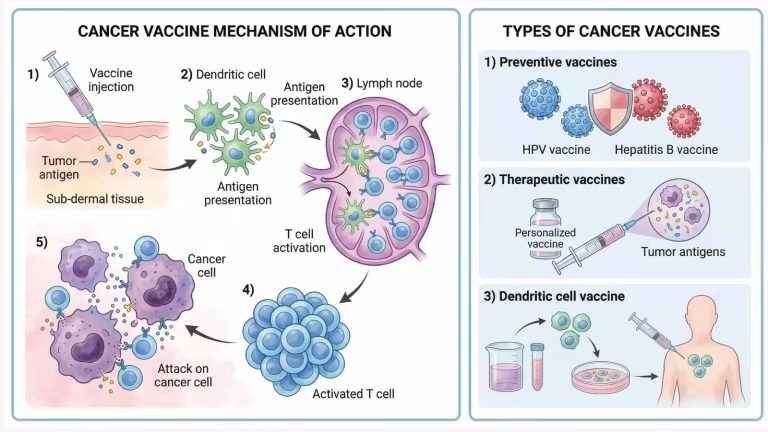
Because cancer cells originate from the body’s own cells, they often manage to hide from the immune system. Cancer vaccines aim to break this “hiding” mechanism. The general working principle is as follows:
- Target Identification (The Antigen): Cancer vaccines contain specific molecules (tumor antigens) that are found on the surface of cancer cells but are absent or present in very small amounts on healthy cells.
- Stimulation of the Immune System: When these antigens are introduced into the body via the vaccine, they are recognized by the immune system’s “scout” cells (antigen-presenting cells).
- Training the Attack Cells: These scout cells present this information to the immune system’s warrior cells, the T-cells. This process programs the T-cells to recognize and attack any cancer cells carrying that specific antigen.
- Fighting the Cancer: The trained T-cells now circulate throughout the body, find the cancer cells, and destroy them.
What are the Types of Cancer Vaccines?
Cancer vaccines can differ based on the type of antigen targeted and how they are produced:
- Personalized (Autologous) Vaccines: These are produced specifically for an individual patient using antigens taken from their own tumor tissue. This is the most personalized approach.
- Antigen-Specific Vaccines: These are designed to target one or more known antigens that are commonly found in a specific type of cancer.
- Cell-Based Vaccines: The patient’s own immune cells (usually dendritic cells) are loaded with tumor antigens in a lab, turned into a vaccine, and then administered back to the patient.
The Current Role and Future of Cancer Vaccines
Cancer vaccines are a rapidly advancing field in oncology. Today, there is an approved therapeutic vaccine (Sipuleucel-T) for the treatment of prostate cancer. Additionally, there are hundreds of ongoing clinical trials for many other cancer types, including melanoma, pancreatic cancer, and brain tumors.
In the future, cancer vaccines are expected to generate much more powerful and durable responses, especially when used in combination with other immunotherapy methods (such as checkpoint inhibitors) and targeted therapies. These combinations promise to maximize the immune system’s potential to fight cancer.
Cancer vaccine therapy is a personalized treatment option that is considered based on the tumor type and the patient’s overall health.
For detailed information about examination processes, treatment options, and appointment requests, you can contact us via the Contact page.