Cancer-Related Fatigue
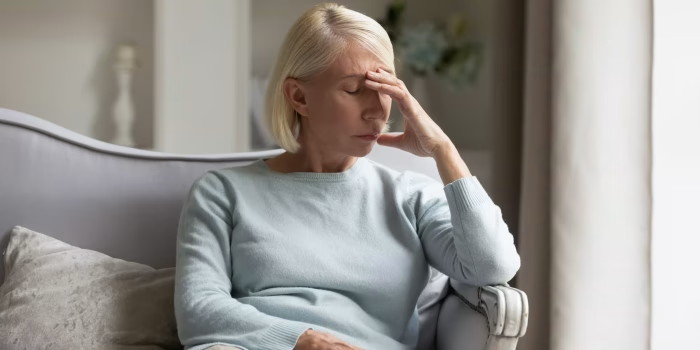
Cancer-related fatigue is common, real, and manageable. You are not alone, and asking for help is an important part of treatment.
Cancer-Related Fatigue – Frequently Asked Questions
What is cancer-related fatigue?
Cancer-related fatigue is a persistent, long-lasting state of physical, mental, and emotional exhaustion that does not improve with rest. It can significantly affect daily activities, concentration, and quality of life. It is different from normal tiredness and is related to cancer itself or its treatments.
How common is fatigue in cancer patients?
It is very common.
- Occurs in 70–80% of patients receiving chemotherapy or radiotherapy
- Seen in more than 75% of patients with advanced-stage cancer
- May persist for months or even years after treatment ends
Patients often describe fatigue as more distressing than pain.
Does fatigue occur only during treatment?
No. Fatigue may occur:
- During treatment
- After treatment (during survivorship)
- In advanced disease and at the end of life
In some patients, it may continue for a long time even after treatment is completed.
What causes fatigue?
Cancer-related fatigue is usually not due to a single cause. Common contributing factors include:
- Anemia (low red blood cell count)
- Pain
- Sleep disorders
- Depression, anxiety, stress
- Nutritional deficiencies
- Physical inactivity and muscle loss
- Medications
- Infections
- Other medical conditions such as thyroid, kidney, or heart disease
For this reason, fatigue should always be evaluated from multiple perspectives.
Should fatigue be considered “normal” and ignored?
No.
Although fatigue is common in cancer, it should not be accepted as normal and ignored. It may have treatable causes, and with appropriate approaches, it can be significantly reduced.
How should I describe my fatigue to my doctor?
You can use a simple scale:
“Over the past 7 days, how would you rate your fatigue on a scale from 0 to 10?”
- 0: No fatigue
- 10: The worst fatigue imaginable
Scores of 4 or higher require further evaluation.
What can be done to reduce fatigue?
Evidence-based recommendations include:
✔️ Physical activity
- Light to moderate walking
- Individually tailored exercise programs
(Regular exercise has the strongest evidence for reducing fatigue)
✔️ Energy conservation strategies
- Prioritizing daily tasks
- Doing important activities during times of highest energy
- Asking for help when needed
- Taking short but planned rest breaks during the day
✔️ Improving sleep habits
- Avoiding long daytime naps
- Maintaining regular sleep schedules
- Reducing caffeine and screen use in the evening
✔️ Nutritional support
- Adequate calorie and protein intake
- Dietitian support if needed
✔️ Psychological support
- Cognitive behavioral therapy
- Stress management
- Support groups
Are medications used to treat fatigue?
Non-drug approaches are the priority.
In selected patients, after other causes have been ruled out, medications may be considered under medical supervision. However, they are not suitable for everyone and require careful evaluation.
Is fatigue a sign that cancer is progressing?
No, not always.
Fatigue is often related to treatment or accompanying conditions. However, newly onset fatigue, rapidly worsening fatigue, or fatigue accompanied by other symptoms should always be reported to a doctor.
When should I definitely contact my doctor?
- If fatigue seriously interferes with daily life
- If there is sudden or rapid worsening
- If accompanied by shortness of breath, palpitations, or dizziness
- If it persists long after treatment has ended
For detailed information about examination processes, treatment options, and appointment requests, you can contact us via the Contact page.