What Is Endometrial (Uterine) Cancer?
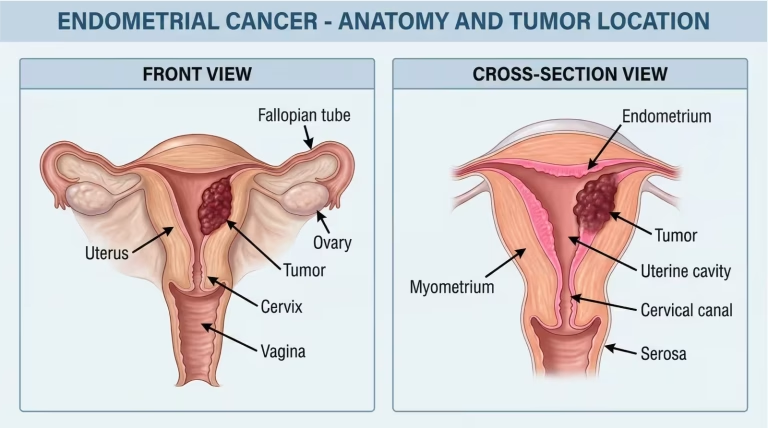
Endometrial cancer is a type of cancer that begins when cells in the endometrium, the inner lining of the uterus, start to grow abnormally. The uterus is a hollow, pear-shaped pelvic organ where a fetus develops. Endometrial cancer is sometimes called uterine cancer, although other types of cancer can also form in the uterus, such as uterine sarcoma, but they are much rarer than endometrial cancer.
Endometrial cancer is often diagnosed at an early stage because it causes symptoms. The most common first sign is postmenopausal or irregular vaginal bleeding. When diagnosed early, surgical removal of the uterus often provides a complete cure.
Types of Endometrial Cancer
Endometrial cancers are traditionally classified based on their clinical and endocrine features (Type I and Type II) or their histopathological (tissue science) characteristics. Type I cancers are more common, are associated with the hormone estrogen, and generally have a better prognosis.
| Tumor Type | Description | Prevalence |
|---|---|---|
| Type I (Estrogen-dependent) | These tumors are the most common and are usually endometrioid adenocarcinomas. They depend on estrogen for growth and are often lower grade (Grade 1 or 2). They are associated with obesity and unopposed estrogen exposure. | ~80-90% |
| Type II (Estrogen-independent) | These less common tumors tend to be more aggressive. They include subtypes such as serous carcinoma and clear cell carcinoma. They are usually higher grade and are not associated with estrogen exposure. | ~10-20% |
The most common histologic (tissue) subtype is endometrioid adenocarcinoma. Other rare subtypes include serous carcinoma, clear cell carcinoma, and carcinosarcoma.
Symptoms and Risk Factors
Symptoms of endometrial cancer may include:
- Vaginal bleeding after menopause (most common symptom)
- Bleeding between periods
- Pelvic pain
- Abnormal, watery, or bloody vaginal discharge
Factors that increase the risk of endometrial cancer include:
- Changes in the body’s hormone balance: High levels of estrogen that are not balanced by the level of progesterone in the body increase the risk. Conditions such as obesity, diabetes, and polycystic ovary syndrome (PCOS) can cause this imbalance.
- More years of menstruation: Starting menstruation before age 12 or beginning menopause later increases the risk.
- Never having been pregnant: The risk is higher in women who have never had a pregnancy.
- Older age: The risk of endometrial cancer increases with age. It occurs most often in the postmenopausal period.
- Obesity: Excess body fat can alter the body’s hormone balance, increasing the risk.
- Hormone therapy for breast cancer: Taking the hormone therapy drug tamoxifen for breast cancer can increase the risk of endometrial cancer.
- An inherited cancer syndrome: Hereditary syndromes such as Lynch syndrome increase the risk of colon cancer and other cancers, including endometrial cancer.
Diagnosis and Staging
Tests and procedures used to diagnose endometrial cancer include:
- Pelvic exam: The doctor inserts two fingers into the vagina and presses on the abdomen with the other hand to feel the uterus and ovaries.
- Transvaginal ultrasound: A probe is inserted into the vagina to create a video image showing the thickness and texture of the uterus and endometrium.
- Hysteroscopy: A thin, flexible, lighted tube (hysteroscope) that allows the doctor to examine the inside of the uterus and the endometrium.
- Endometrial biopsy: A tissue sample is taken from the uterine lining for testing. This is tested in a lab to determine if it is cancer.
- Dilation and curettage (D&C): If the biopsy is insufficient or the results are inconclusive, this procedure may be necessary to scrape tissue from the uterine lining.
Once cancer is diagnosed, additional tests are performed to determine the extent of its spread (its stage). Staging may include a chest X-ray, CT scan, blood tests, and positron emission tomography (PET) scan.
- Stage I: The cancer has not grown outside the uterus.
- Stage II: The cancer has spread to the cervical stroma.
- Stage III: The cancer has spread outside the uterus but is confined to the pelvis.
- Stage IV: The cancer has spread to nearby organs such as the bladder or bowel, or to distant parts of the body.
Treatment Options
Treatment for endometrial cancer usually begins with an operation to remove the cancer. Other treatment options may include radiation therapy or treatments that use drugs to kill cancer cells. Treatment options will depend on the stage of the cancer, your overall health, and your preferences.
- Surgery: Treatment for endometrial cancer usually involves an operation to remove the uterus (hysterectomy). Treatment also includes the removal of the fallopian tubes and ovaries (salpingo-oophorectomy). During the operation, your surgeon will also examine the areas around the uterus for signs that the cancer has spread. They may also remove lymph nodes for testing.
- Radiation Therapy: Uses powerful energy to kill cancer cells. It may be recommended before surgery to shrink a tumor and make it easier to remove. If you are not healthy enough for surgery, you may opt for radiation therapy alone. It can be in the form of external beam radiation or brachytherapy (internal radiation).
- Chemotherapy: Uses powerful drugs to kill cancer cells. It is sometimes used after surgery to reduce the risk of the cancer returning. It can also be used before surgery to shrink the cancer.
- Hormone Therapy: Involves taking drugs to lower hormone levels in the body. Cancer cells that depend on hormones may die as a result. It may be an option if you have advanced endometrial cancer that has spread outside the uterus.
- Targeted Therapy: Uses drugs that attack specific chemicals in cancer cells. It is often combined with chemotherapy to treat advanced endometrial cancer.
- Immunotherapy: Uses drugs that help the body’s immune system kill cancer cells. Immunotherapy may be considered if the cancer is advanced and other treatments have not helped.
For detailed information about examination processes, treatment options, and appointment requests, you can contact us via the Contact page.