CAR-T Cell Therapy: Eradicating Cancer by Reprogramming Immune Cells
CAR-T cell therapy (Chimeric Antigen Receptor T-Cell) is a highly innovative and personalized immunotherapy method, often described as a “living drug” in the fight against cancer. This treatment redirects the power of the patient’s own immune system to recognize and destroy cancer cells more effectively than ever before.
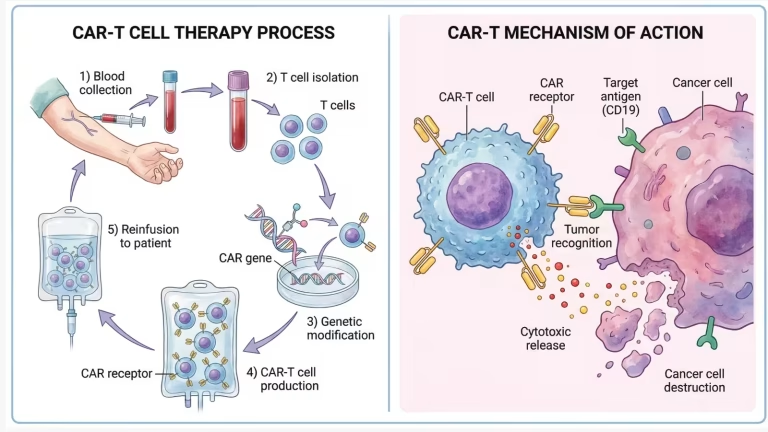
We can summarize this complex yet powerful process in a series of steps:
- Cell Collection (Leukapheresis): The first step of the treatment is to collect immune cells (specifically T-cells) from the patient’s blood. This is done through a procedure called leukapheresis, which is similar to donating blood.
- Genetic Engineering (Reprogramming): The collected T-cells are sent to a high-tech laboratory. Here, using genetic engineering techniques, a new gene is inserted into the cells. This gene enables the T-cells to produce a special receptor on their surface called a “Chimeric Antigen Receptor” (CAR). This CAR receptor is designed to recognize a specific antigen (e.g., CD19) on the surface of a particular cancer cell. This process essentially turns the T-cells into “cancer hunters.”
- Cell Multiplication: These genetically modified new CAR-T cells are then multiplied in the laboratory until millions, or even billions, of copies are produced. This process typically takes a few weeks.
- Preparation (Lymphodepleting Chemotherapy): Just before the CAR-T cells are given back to the patient, the patient usually receives a low dose of chemotherapy. The purpose of this chemotherapy is to reduce the number of existing immune cells in the body, creating a better environment for the new, powerful CAR-T cells to work and increasing their effectiveness.
- Cell Infusion: In the final step, the CAR-T cells that were multiplied in the lab are infused back into the patient’s body through a vein, similar to a blood transfusion.
What Do CAR-T Cells Do in the Body?
Once infused back into the body, these “supercharged” T-cells actively begin to search for cancer cells. Thanks to the special CAR receptors on their surface, they lock onto cancer cells carrying the target antigen and destroy them directly. Most importantly, these cells can remain in the body for months, or even years, creating a “memory” and standing ready to fight again if the cancer recurs.
Where is CAR-T Therapy Used and How Successful Is It?
CAR-T cell therapy has revolutionized the field of hematologic (blood) cancers in particular. It can provide complete and lasting remission even in some patients who have not responded to any other treatments or whose disease has relapsed. The main diseases for which it is currently approved and successfully used include:
- Certain types of Acute Lymphoblastic Leukemia (ALL)
- Certain types of Non-Hodgkin Lymphoma (NHL)
- Multiple Myeloma
Intensive research is also underway to determine its effectiveness in solid tumors.
Potential Side Effects
Because CAR-T therapy is very powerful, it can also cause serious side effects that require management. The most common ones are:
- Cytokine Release Syndrome (CRS): A condition that occurs when the immune system becomes overly activated, presenting with symptoms such as fever, low blood pressure, and difficulty breathing.
- Neurological Toxicities (ICANS): Nervous system-related side effects such as confusion, difficulty speaking, or seizures.
Due to these potential side effects, CAR-T therapy must be administered in specialized, fully equipped centers with experience in this treatment, under close medical supervision.