Infections in Cancer Patients
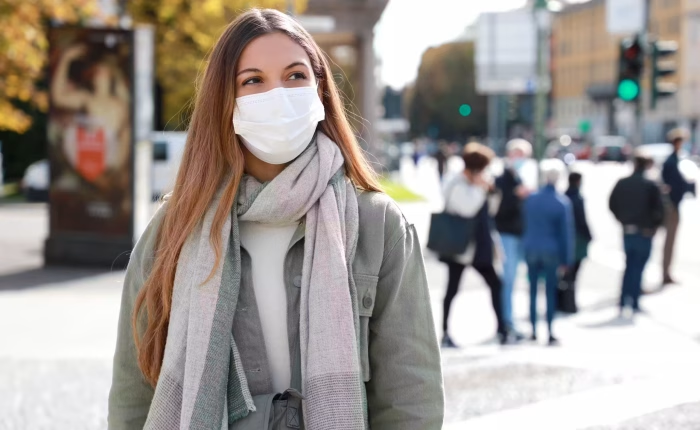
Infections are common in cancer patients, but when detected early and managed properly, they can largely be controlled. Sharing any suspicious symptoms with your healthcare team without delay is vital.
Infections in Cancer Patients – Frequently Asked Questions
Why is the risk of infection higher in cancer patients?
Cancer itself and especially treatments such as chemotherapy, immunotherapy, targeted therapies, and medications like corticosteroids can weaken the immune system. This makes it harder for the body to fight microorganisms and increases the risk of infection.
Which cancer patients are at higher risk for infections?
The risk of infection is higher in the following situations:
- Low white blood cell count (neutropenia)
- Patients receiving intensive or long-term chemotherapy
- Patients who have undergone bone marrow or stem cell transplantation
- Those using high-dose corticosteroids or immunosuppressive drugs
- Patients receiving CAR-T cell therapy
- Patients with a history of severe infections
What is neutropenia and why is it important?
Neutropenia is a decrease in white blood cells that fight infections. In this condition, even a simple infection can rapidly become severe and life-threatening.
What should I do if I develop a fever?
A fever of 38°C (100.4°F) or higher is considered a medical emergency in cancer patients.
What you should NOT do
- Take fever reducers or antibiotics on your own
- Say “I’ll wait, it will pass”
- Try to suppress the fever with lukewarm showers or cold applications
What you SHOULD do
- Recheck your temperature and note it
- Contact your oncology team or go to the nearest emergency department immediately
What are the most common infections in cancer patients?
The most common types of infections include:
- Respiratory tract infections
- Urinary tract infections
- Skin and soft tissue infections
- Fungal infections
- Viral infections (such as herpes simplex, shingles, CMV)
What can I do to protect myself from infections?
- Wash your hands frequently and properly
- Avoid crowded and poorly ventilated places
- Limit contact with sick individuals
- Do not consume raw or undercooked foods
- Pay close attention to oral and dental hygiene
- Keep cuts and wounds clean
Does every cancer patient need preventive antibiotics?
No. Preventive antibiotics or antiviral medications are used only in high-risk patients and during specific periods. Unnecessary use can lead to drug resistance.
Are vaccines safe for cancer patients?
- Inactivated (killed) vaccines are generally safe
- Live vaccines are usually not recommended for immunosuppressed patients
- Vaccinations should always be planned together with the oncology team
Do infections always present with fever?
No. In some patients, infections may present with the following symptoms:
- Sudden fatigue or weakness
- Chills
- Cough or shortness of breath
- Burning sensation during urination
- Diarrhea
- Confusion
If these symptoms occur, a doctor should be informed immediately.
Does having a pet increase the risk of infection?
Pets are not completely prohibited in most cases. However:
- Contact with animal feces should be avoided
- Litter box or cage cleaning should be done by someone else if possible
- Care should be taken to avoid bites and scratches
Do infections affect cancer treatment?
Yes. Serious infections can lead to:
- Delays in treatment
- Dose reductions
- Hospitalization
Therefore, early diagnosis and prompt treatment are very important.
In which situations should I seek urgent medical care?
Seek medical attention immediately if you experience:
- Fever of 38°C (100.4°F) or higher
- Shaking chills or severe shivering
- Shortness of breath
- Severe diarrhea or vomiting
- Pain or bleeding during urination
- Wounds with redness, swelling, or discharge
- Sudden changes in consciousness
For detailed information about examination processes, treatment options, and appointment requests, you can contact us via the Contact page.