What is Hormone Therapy?
Hormone therapy is a treatment method that aims to slow or stop the growth of cancer cells by stopping the production, lowering the levels, or blocking the effects of the body’s natural hormones. Some types of cancer require natural hormones in our body (such as estrogen, progesterone, or testosterone) to grow and multiply. These types of cancers are called “hormone-sensitive” or “hormone receptor-positive” cancers.
Hormone therapy controls the development of these cancer cells by cutting off the “fuel” they need. This method is particularly effective in the treatment of hormone-sensitive cancers, especially breast cancer and prostate cancer.
What are the Goals of Hormone Therapy?
The goals of hormone therapy are determined based on the type and stage of the cancer, as well as the patient’s overall condition:
- To Prevent Cancer Recurrence (Adjuvant Therapy): After primary treatments like surgery, chemotherapy, or radiotherapy, it is used for a long term (usually 5-10 years) to prevent any remaining cancer cells from growing back.
- To Shrink the Tumor (Neoadjuvant Therapy): It can be administered before surgery or radiotherapy to reduce the size of the tumor, making the primary treatment more effective and easier to perform.
- To Control Advanced or Metastasized Cancer: In cancers that have spread to other parts of the body (metastatic), it is used to slow the progression of the disease, alleviate symptoms, and improve the patient’s lifespan and quality of life.
How Does Hormone Therapy Work and How is it Administered?
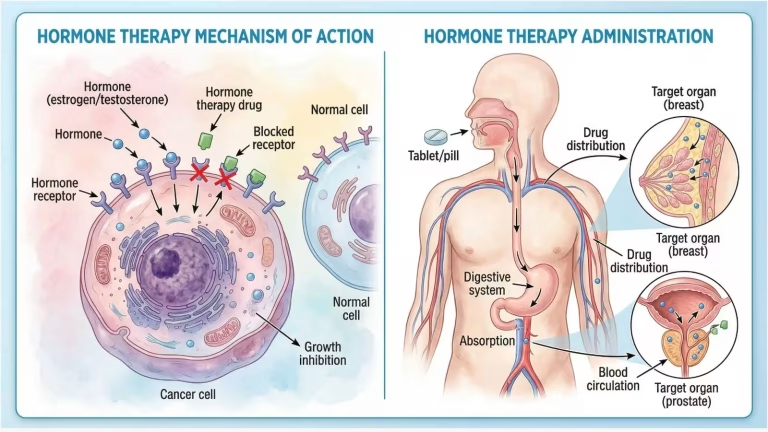
Hormone therapy works through different mechanisms depending on the type of cancer:
- Stopping Hormone Production: This involves using drugs or surgical methods to temporarily or permanently stop the function of the body’s hormone-producing organs (such as the ovaries or testicles).
- Blocking the Effects of Hormones: These drugs bind to the hormone receptors on the surface of cancer cells, preventing hormones from entering the cell and giving a growth signal. In a way, these drugs act as a “shield.”
Treatment methods may include:
- Oral Medications: This is the most common method, consisting of pills or tablets that the patient can take at home daily.
- Injections: Administered as shots into a muscle or under the skin at specific intervals (monthly, every 3 months, or every 6 months).
- Surgery: Rarely, the surgical removal of hormone-producing organs (oophorectomy for ovaries or orchiectomy for testicles) can also be a hormone therapy option.
What are the Side Effects of Hormone Therapy?
Since hormone therapy alters the body’s natural hormone balance, it can cause some side effects. These side effects vary depending on the type of drug used, the dose, and the individual’s body. Common side effects can be similar to the symptoms of menopause or andropause:
- Hot flashes and sweating
- Fatigue and weakness
- Mood swings
- Weight gain or loss of muscle mass
- Decreased libido (sexual desire)
- Joint pain
- Risk of bone thinning (osteoporosis)
Many of these side effects are manageable, and your treatment team will provide you with appropriate supportive care and recommendations to maintain a high quality of life. Most side effects gradually decrease or disappear after the treatment is completed.
For detailed information about examination processes, treatment options, and appointment requests, you can contact us via the Contact page.