What is Chemotherapy?
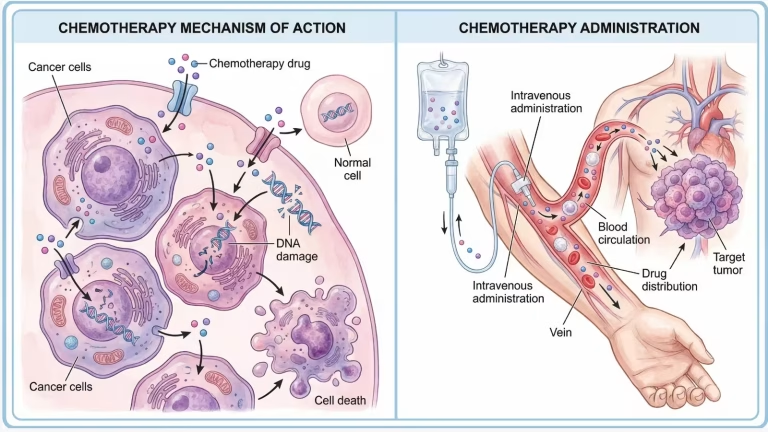
Chemotherapy is a treatment method that uses powerful drugs to destroy cancer cells or to control their growth and proliferation. It is one of the most frequently used and well-known methods in cancer treatment. These drugs work by targeting, damaging, or destroying rapidly dividing cells.
Chemotherapy can be used as a standalone treatment or in combination with other methods, such as surgery, radiotherapy (radiation therapy), or targeted therapies.
What are the Goals of Chemotherapy?
The goals of chemotherapy treatment may vary depending on the type and stage of the cancer, as well as the patient’s overall health condition:
- To Cure the Cancer (Curative Treatment): The primary goal of the treatment is to achieve a complete recovery by eliminating all cancer cells from the body.
- To Prevent Cancer from Spreading (Adjuvant Therapy): It is used, especially after surgery, to destroy any microscopic cancer cells that may have remained in the body, thereby preventing the disease from recurring (relapse).
- To Shrink the Tumor (Neoadjuvant Therapy): It can be administered before surgery or radiotherapy to reduce the size of the tumor, making the operation easier and more effective.
- To Relieve Symptoms (Palliative Treatment): In advanced-stage cancers, it aims to improve the patient’s quality of life by alleviating symptoms caused by the tumor, such as pain or pressure.
How is Chemotherapy Administered?
Chemotherapy drugs can be delivered into the body through various routes. The most common methods of administration include:
- Intravenously (IV): This is the most common method for administering the drugs. The medication is diluted in an IV fluid bag and slowly infused directly into a vein. This procedure typically takes a few hours and is performed in a hospital or clinic setting.
- Orally: This involves taking the medication in the form of pills, capsules, or liquids. This method allows the patient to continue their treatment at home.
- By Injection: The drug can be injected into a muscle or under the skin.
Treatment is planned in “cycles” that are repeated at specific intervals. Each cycle consists of a treatment period followed by a rest period, which allows the body to recover. The total duration of the treatment and the number of cycles are determined by a medical oncologist based on the specifics of the disease.
What are the Side Effects of Chemotherapy?
Because chemotherapy drugs target rapidly dividing cells like cancer cells, they can also affect the healthy, but rapidly dividing, cells in our body (such as those in the bone marrow, hair follicles, and digestive system). This is what causes the side effects of the treatment. Common side effects include:
- Fatigue and weakness
- Nausea and vomiting
- Hair loss
- Mouth sores
- Loss of appetite
- A drop in blood counts (leading to an increased risk of infection, anemia)
However, it is important to remember that not every patient experiences the same side effects, and their severity varies from person to person. Today, there are very effective supportive treatments available to manage side effects and maintain a high quality of life for the patient. Most side effects resolve after the treatment is completed.
For detailed information about examination processes, treatment options, and appointment requests, you can contact us via the Contact page.