What Is Cervical Cancer?
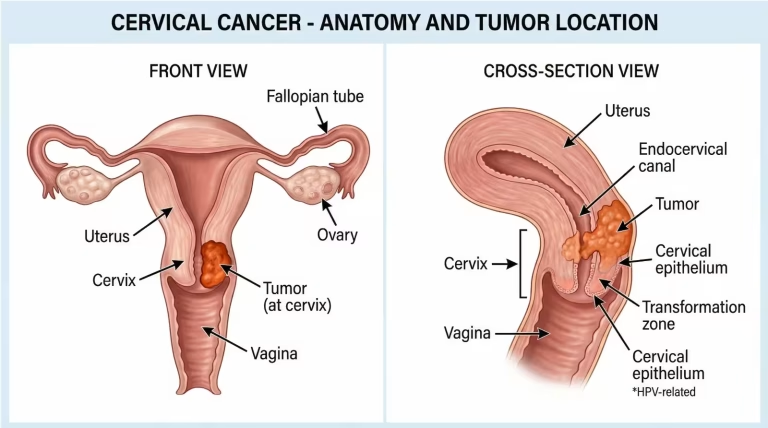
Cervical cancer is a type of cancer that occurs in the cells of the cervix — the lower part of the uterus that connects to the vagina. Various strains of the human papillomavirus (HPV), a common sexually transmitted infection, play a role in causing most cervical cancers. When exposed to HPV, the body’s immune system typically prevents the virus from doing harm. In a small percentage of individuals, however, the virus survives for years, contributing to the process that causes some cervical cells to become cancer cells.
Cervical cancer can often be prevented with regular screening tests and the HPV vaccine. When it does occur, it is often treatable, especially when detected early.
Types of Cervical Cancer
Cervical cancer is classified based on the type of cell in which the cancer begins. The two main types of cervical cancer are:
| Cancer Type | Description | Prevalence |
|---|---|---|
| Squamous Cell Carcinoma | This is the most common type of cervical cancer, accounting for about 90% of cases. It begins in the thin, flat cells (squamous cells) that line the outer part of the cervix. | ~90% |
| Adenocarcinoma | This type of cervical cancer begins in the column-shaped glandular cells that line the cervical canal. | ~10% |
Occasionally, both types of cells are involved in cervical cancer. Very rarely, cancer occurs in other cells in the cervix.
Symptoms and Risk Factors
Early-stage cervical cancer generally produces no signs or symptoms. As the cancer progresses, the following signs and symptoms may appear:
- Vaginal bleeding after intercourse, between periods, or after menopause
- Watery, bloody vaginal discharge that may be heavy and have a foul odor
- Pelvic pain or pain during intercourse
Several factors can increase your risk of cervical cancer:
- Human papillomavirus (HPV) infection: HPV is the most important risk factor for cervical cancer. Certain types of HPV are more likely to cause cancer than others.
- Smoking: Smoking is associated with an increased risk of cervical cancer.
- Weakened immune system: If your immune system is weakened by another health condition and you have HPV, you may be more likely to develop cervical cancer.
- Other sexually transmitted infections (STIs): Having other STIs — such as chlamydia, gonorrhea, syphilis and HIV/AIDS — increases your risk of HPV.
- Exposure to a miscarriage prevention drug: If your mother took a drug called diethylstilbestrol (DES) while pregnant, you may have an increased risk of a certain type of cervical cancer called clear cell adenocarcinoma.
Diagnosis and Staging
Screening tests can help detect cervical cancer and precancerous cells that may one day develop into cervical cancer. Most medical organizations suggest beginning screening for cervical cancer and precancerous changes at age 21. Screening tests include:
- Pap test: During a Pap test, a member of your health care team scrapes and brushes cells from your cervix. The cells are then examined in a lab to check for abnormal cells.
- HPV DNA test: The HPV DNA test involves testing cells collected from the cervix for infection with any of the types of HPV that are most likely to lead to cervical cancer.
If cervical cancer is suspected, your doctor is likely to start with a thorough examination of your cervix using a special magnifying instrument called a colposcope. During the colposcopic exam, your doctor may take a sample of cervical cells (biopsy) for laboratory testing.
If a diagnosis of cervical cancer is confirmed, further tests will be done to determine the extent (stage) of the cancer. Staging tests may include imaging tests such as X-ray, CT, MRI, and positron emission tomography (PET), as well as visual examinations of your bladder and rectum.
- Stage I: Cancer is confined to the cervix.
- Stage II: Cancer has spread beyond the cervix but not to the pelvic wall or the lower third of the vagina.
- Stage III: Cancer has spread to the pelvic wall or the lower third of the vagina, or is causing kidney problems.
- Stage IV: Cancer has spread to the bladder, rectum, or other parts of the body.
Treatment Options
Treatment for cervical cancer depends on several factors, such as the stage of the cancer, other health problems you may have and your preferences. Surgery, radiation, chemotherapy or a combination of the three may be used.
- Surgery: For very small cervical cancers, it might be possible to remove the cancer with a cone biopsy. For larger cancers that haven’t spread beyond the cervix, surgery to remove the cervix (trachelectomy) or the cervix and uterus (hysterectomy) may be options. A radical hysterectomy, which also involves removing part of the vagina and nearby lymph nodes, is a common treatment.
- Radiation: Radiation therapy uses high-powered energy beams, such as X-rays or protons, to kill cancer cells. It can be delivered externally (external beam radiation therapy) or internally (brachytherapy). Radiation therapy is often combined with chemotherapy as the primary treatment for locally advanced cervical cancers.
- Chemotherapy: Chemotherapy is a drug treatment that uses powerful chemicals to kill cancer cells. For locally advanced cervical cancer, low doses of chemotherapy are often combined with radiation therapy since chemotherapy may enhance the effects of the radiation. Higher doses of chemotherapy might be recommended to help control symptoms of very advanced cancer.
- Targeted therapy: Targeted drug treatments focus on specific weaknesses present within cancer cells. By blocking these weaknesses, targeted drug treatments can cause cancer cells to die. Targeted therapy is usually combined with chemotherapy and might be an option for advanced cervical cancer.
- Immunotherapy: Immunotherapy is a drug treatment that helps your immune system to fight cancer. Your body’s disease-fighting immune system may not attack your cancer because the cancer cells produce proteins that blind the immune system cells. Immunotherapy works by interfering with that process. For cervical cancer, immunotherapy might be considered when the cancer is advanced and other treatments aren’t working.
- Palliative care: Palliative care is specialized medical care that focuses on providing relief from pain and other symptoms of a serious illness. Palliative care specialists work with you, your family and your other doctors to provide an extra layer of support that complements your ongoing care. Palliative care can be used while undergoing other aggressive treatments, such as surgery, chemotherapy or radiation therapy.
For detailed information about examination processes, treatment options, and appointment requests, you can contact us via the Contact page.